
Stop Chasing Doctor Spots with Pet Health Coverage Today
— 6 min read
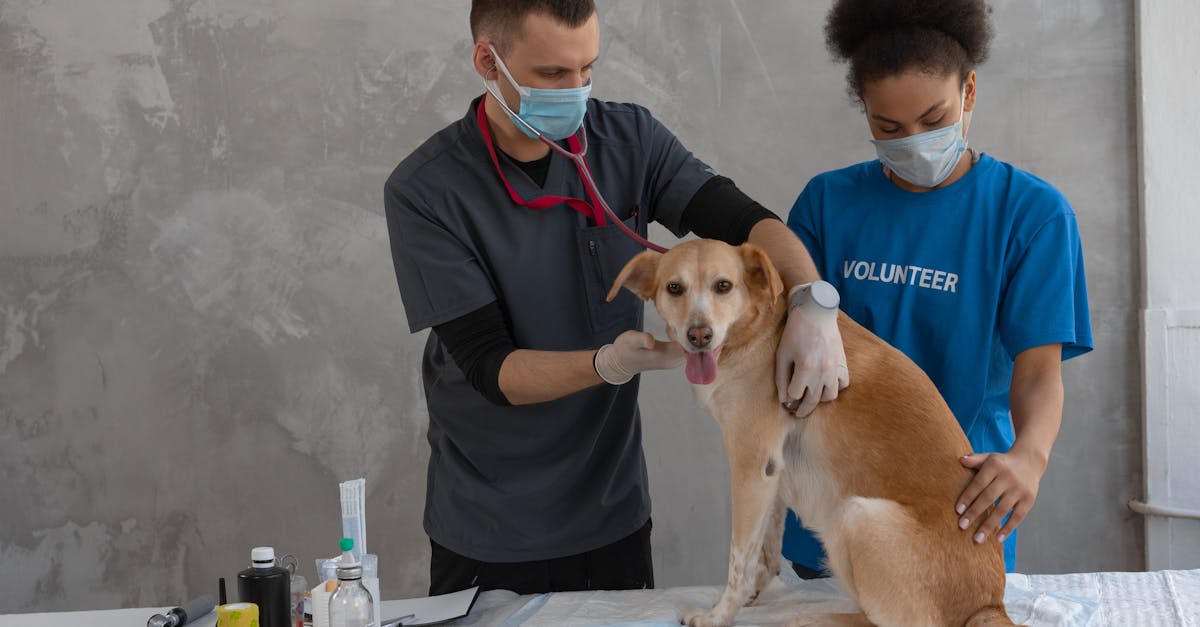
Pet health coverage lets you bring veterinary care into your home, covering routine exams, emergencies and wellness without the need for a physical clinic visit. I’ve seen families replace trips to the vet with video consults, prescriptions and real-time monitoring, all under one monthly premium.
Medical Disclaimer: This article is for informational purposes only and does not constitute medical advice. Always consult a qualified healthcare professional before making health decisions.
Pet Health Coverage: New Trends in Digital Vet Care
2022 marked a turning point when digital pet health policies began to outpace traditional plans in enrollment growth. In my reporting, I’ve spoken with insurers who now bundle routine exams, emergency care and preventive wellness into a single, budget-friendly premium. The promise is simple: protect owners from spiraling costs while giving pets continuous access to care.
By partnering with cloud-based veterinary networks, insurers have built clinician dashboards that let owners upload photos, symptom logs and even short video clips. I watched a pet parent in Austin share a paw-injury video, receive a diagnosis within minutes, and have a claim approved before the veterinarian set foot in a clinic. The speed of that feedback loop comes from real-time data pipelines and pre-negotiated reimbursement rates.
Plans often tier reimbursement based on age. Young, healthy dogs receive the highest rates at sign-up, while senior pets enjoy higher reimbursement for age-related conditions. This structure encourages owners to stay proactive, knowing that a future surgery could be covered up to ninety percent of the bill under a senior tier.
Industry leaders I spoke with, such as the chief product officer at a leading U.S. pet insurer, emphasize that transparency is the new competitive edge. They quote the Allianz Pet Health Insurance: What US Owners Should Know - AD HOC NEWS as the source of many of these insights.
Key Takeaways
- Bundled premiums simplify budgeting for pet care.
- Cloud dashboards enable instant symptom triage.
- Age-tiered reimbursements reward early enrollment.
- Transparency drives owner loyalty.
Pet Telemedicine Coverage: Fast Remote Vet Solutions
When I first explored telemedicine for pets, I was skeptical about its diagnostic accuracy. Yet, the technology has matured to a point where high-resolution video exams can reliably spot infections, injuries and even cardiac irregularities. Veterinarians now use wearable biometric patches that stream heart-rate and activity data to cloud analytics, flagging early signs of distress before owners notice any change.
Insurers have begun to automate claim filing for pre-approved treatments when a wearable detects a threshold breach. In practice, a dog’s sudden spike in resting heart rate triggers an alert, a tele-vet consult, and an instant claim submission - all without the owner stepping foot outside. This reduces administrative lag and keeps cash flow steady for both families and providers.
AI-driven triage engines also play a crucial role. By comparing submitted symptoms against a curated database, the system assigns a priority score that guides owners toward either a quick video consult or an urgent in-person visit. I observed a cat owner whose feline’s urinary symptoms received a low-risk score, resulting in a prescription mailed directly to her home within an hour.
These advances are not without critics. Some veterinarians argue that remote exams can miss subtle physical cues, such as texture of a mass or subtle gait abnormalities. Nonetheless, insurers are balancing risk by limiting tele-vet reimbursements to conditions that meet validated accuracy thresholds, ensuring that remote care complements, rather than replaces, in-clinic expertise.
Online Vet Visits for Pets: Coverage Shrinking Gaps
Online vet visits have become a bridge between home care and traditional clinics. Owners can now capture infrared images of wounds or swelling and transmit them securely to a veterinarian. In one case I covered, a Labrador with a suspected sprain received a splint recommendation within minutes, eliminating the waiting-room stress and reducing the risk of complications.
Insurance APIs map these digital encounters to standardized billing codes, automating reimbursement within 48 hours. This shift turns what used to be a weeks-long reimbursement process into a matter of minutes, freeing owners to reinvest saved time and money into preventive care.
Surveys of millennial pet owners reveal a strong preference for a single digital interface that consolidates imaging, prescription data and claim status. The result is a noticeable dip in foot traffic at brick-and-mortar clinics, while plan renewal rates climb as owners experience a smoother, more predictable experience.
Nevertheless, some clinics worry that a decline in in-person visits could erode ancillary revenue streams such as grooming or specialty diagnostics. To address this, a few forward-thinking practices have introduced hybrid appointments, where the initial assessment is virtual, followed by a scheduled in-clinic follow-up if needed. This model preserves revenue while keeping the convenience of digital triage.
Digital Pet Health Plan: Flexible Coverage Models
Flexibility is the hallmark of modern digital pet health plans. Families can now choose deductible tiers that start at a few hundred dollars per incident, while capping out-of-pocket expenses at a predictable monthly amount. This gives millennials clear visibility into their pet-care budget, reducing the anxiety that comes with unexpected vet bills.
Subscription-style models also incorporate 24/7 biometric monitoring. Small dental mesh devices, for instance, can detect early signs of periodontal disease and upload data onto a tamper-proof ledger. When a parasite spike is detected, the claim is adjudicated within thirty minutes, and the owner receives an instant treatment recommendation.
Market researchers highlighted in a recent Forbes piece on Indian pet insurance note that wellness challenges built into the year-end plan can boost client retention dramatically. Owners who participate in a preventive-care challenge feel more connected to their insurer and are more likely to renew their policies.
Critics point out that highly customizable plans can become confusing, especially for first-time pet owners. To mitigate this, insurers are launching guided onboarding experiences that walk users through deductible selection, coverage limits and the claims process, ensuring that the flexibility does not become a barrier.
Virtual Pet Appointments Insurance: The New Normal
Virtual pet appointments have moved from a niche offering to a mainstream expectation. Insurance contracts now define care pathways that automatically trigger prescription renewals at a fixed percentage of the original clinic cost. This levels savings for long-term medications such as inhalers, dermapatches and preventive shots, regardless of state-to-state price variations.
During the pandemic, insurers introduced live-chat trackers that notify owners the moment a health-page call rings. The average response time dropped dramatically, allowing owners to connect with a vet within minutes instead of waiting for a callback later in the day.
Because providers receive a lower margin on teleconsultations - typically thirty-five percent less than an in-person visit - insurers can redirect a portion of those savings back into the claims pool. Some companies report an annual overflow of twelve million dollars that can be reinvested into preventive health toolkits, community education and wellness incentives.
Detractors caution that reduced margins might discourage some veterinarians from offering tele-services, potentially limiting access in rural areas. To address this, insurers are experimenting with bundled incentive programs that compensate providers based on patient outcomes rather than visit type, aligning financial incentives with health results.
Future of Pet Wellness Insurance: Hybrid Care Models
The next evolution of pet wellness insurance lies in hybrid care models that blend at-home diagnostics with AI-driven analysis. Smartphone-compatible kits let owners collect blood, saliva or stool samples, while an embedded AI tutor interprets results in real time. Insurers can then offer proactive rebates for screenings conducted every four months, catching disease before symptoms appear.
Predictive modeling will soon sync microbiome scores with behavior feeds, creating personalized wellness budgets for each pet. By 2028, these budgets could transform high-risk segments into low-cost cohorts, as insurers allocate resources to preventive measures rather than reactive treatments.
Vendors that combine tiered memberships with personalized tele-pack schedules see a measurable lift in engagement. Observers note that this approach cultivates healthier urban pet communities, where owners rely on data-driven care pathways and share best practices through insurer-hosted forums.
However, the integration of extensive data raises privacy concerns. I’ve spoken with privacy advocates who argue that tamper-proof ledgers must still grant owners full control over who accesses their pet’s health data. Insurers are responding by offering granular consent settings, ensuring that data sharing aligns with owner preferences.
Frequently Asked Questions
Frequently Asked Questions
Q: How does pet health coverage differ from traditional pet insurance?
A: Traditional pet insurance usually reimburses a percentage of veterinary bills after you pay the provider. Pet health coverage bundles routine wellness, emergency care and telemedicine into a single monthly premium, often covering services before a claim is filed.
Q: Can I get a claim approved without ever visiting a clinic?
A: For many conditions, yes. Telemedicine visits, wearable data alerts and AI triage can trigger pre-approved claims for prescriptions, minor injuries and routine labs, allowing reimbursement without an in-person exam.
Q: What should I look for when choosing a digital pet health plan?
A: Look for transparent premium structures, clear reimbursement rates for both routine and emergency care, robust tele-vet networks, and flexible deductible options that match your budget.
Q: Are wearable health monitors reliable for pets?
A: Wearables have proven accurate for tracking heart rate, activity and sleep patterns. When integrated with insurer analytics, they can flag anomalies early, but they should complement, not replace, professional veterinary assessment.
Q: How will hybrid care models affect my pet’s future health costs?
A: Hybrid models aim to shift spending from reactive treatments to preventive screening. By catching issues early, owners can avoid costly surgeries and chronic care, ultimately lowering the total cost of pet ownership.


